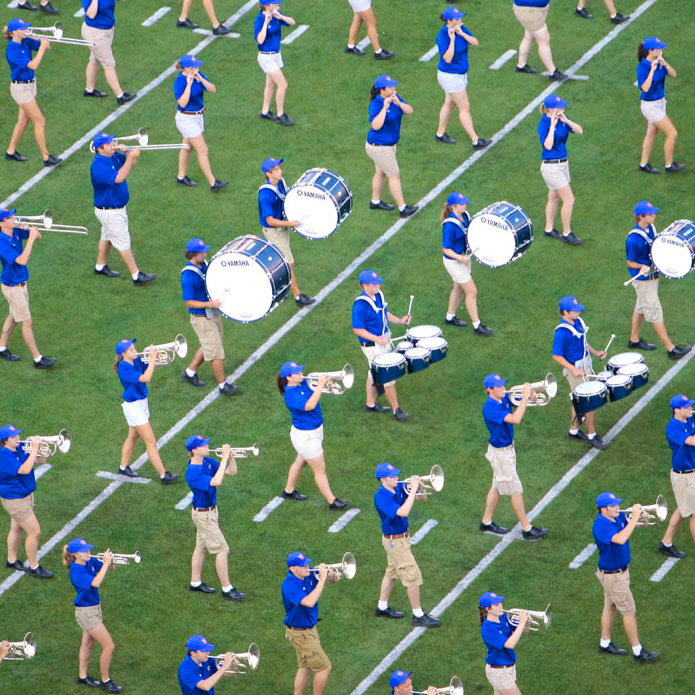
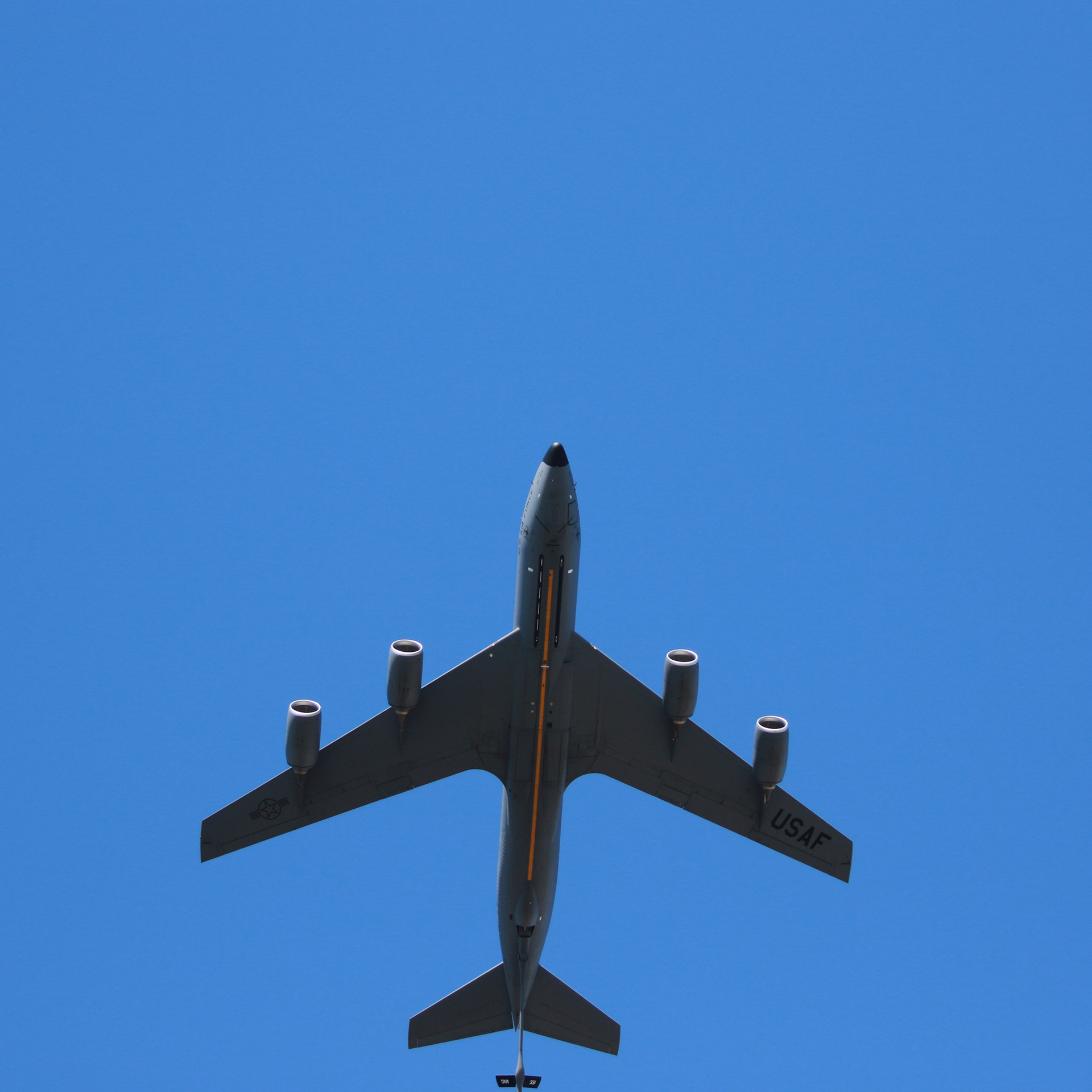
My time as a photojournalist for the University of Kansas Athletics was, to my surprise, one of the more challenging roles I've held. While photographers at sporting events are quite literally sitting on the sidelines, it's difficult to prepare for the skill set required until you're on the field.
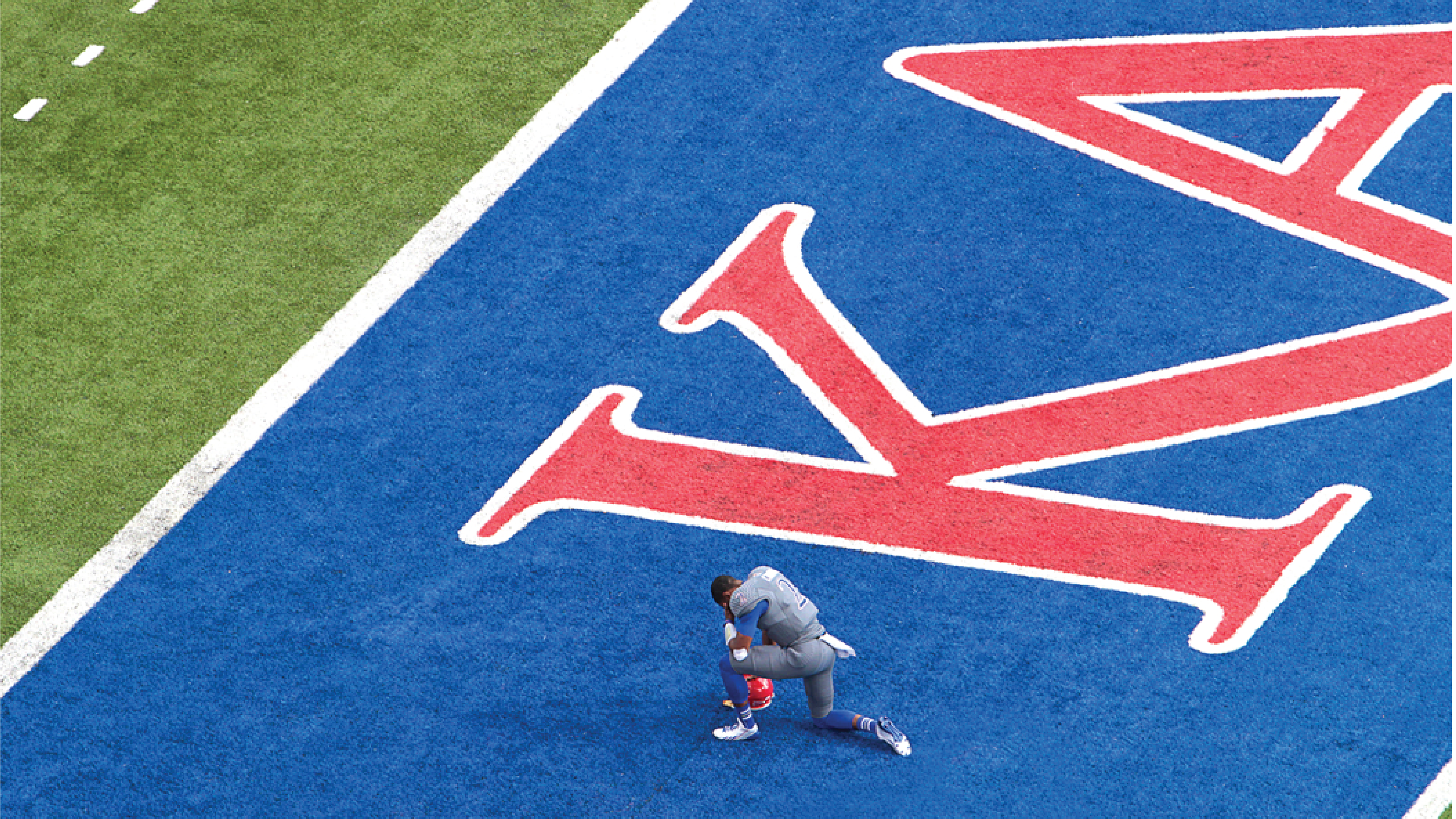
To capture the best shots of the game, you need to understand every element. Anticipating where to point your lens at what time to be ready for the play is only a piece of this delicate balance of art and science.
Blink at the wrong second or change batteries during the front-page news moment and you've missed it. The technical understanding of lenses, lighting in each environment, and the muscle memory with your camera's settings to calculate for the athletes' speed will also make or break the shot of a lifetime. Every photojournalist learns this the hard way.
Better luck in getting the winning shot comes with better preparation.
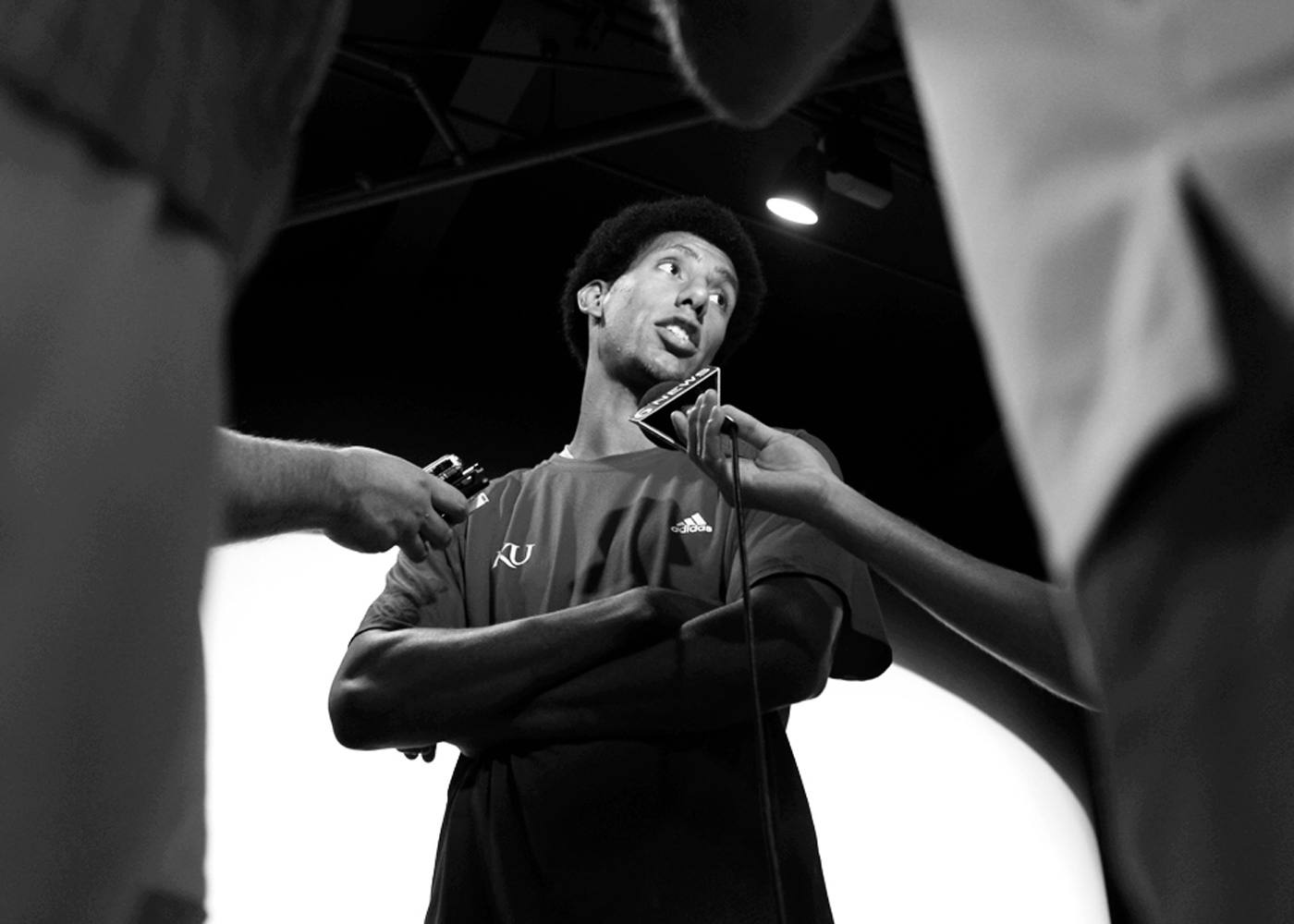
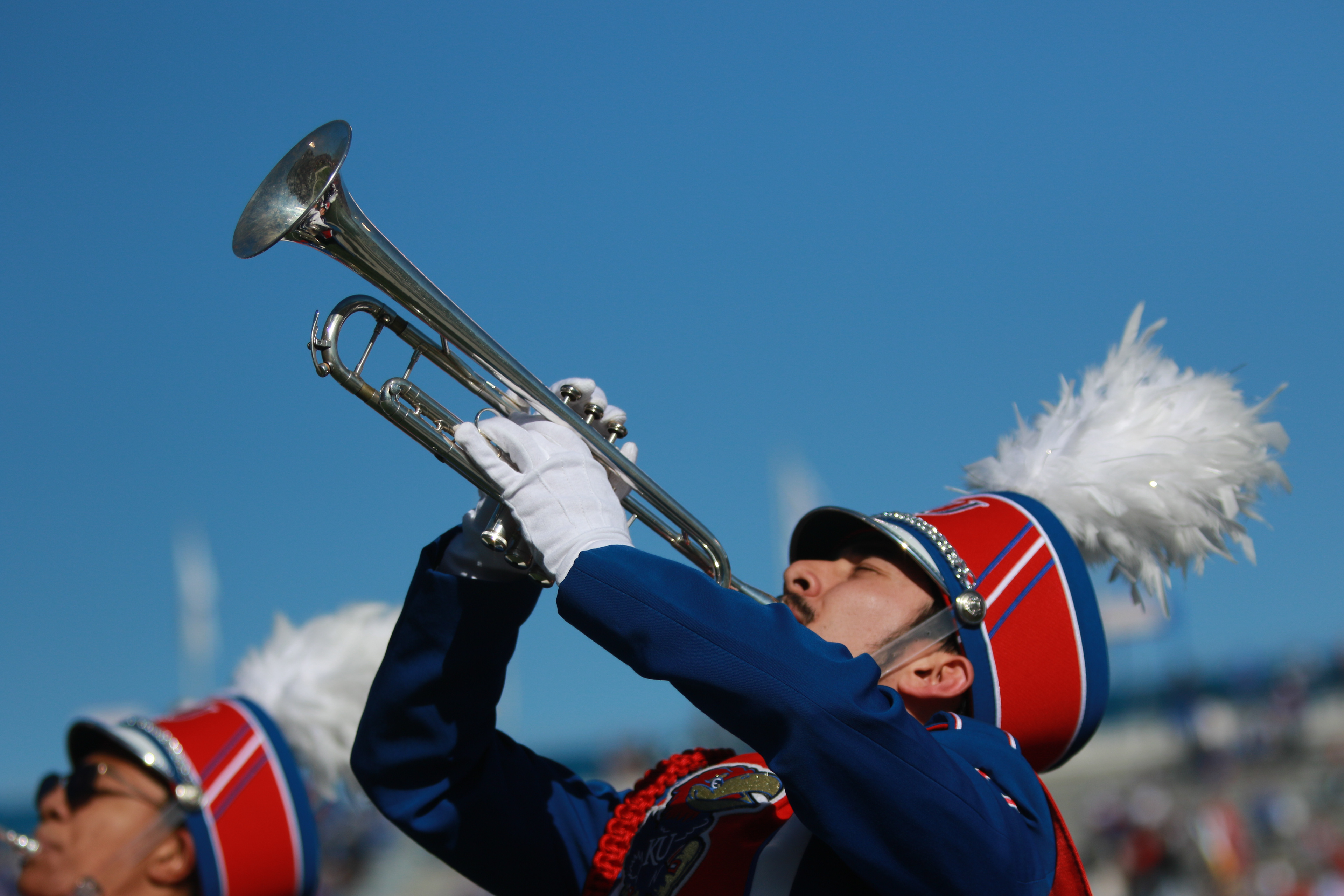
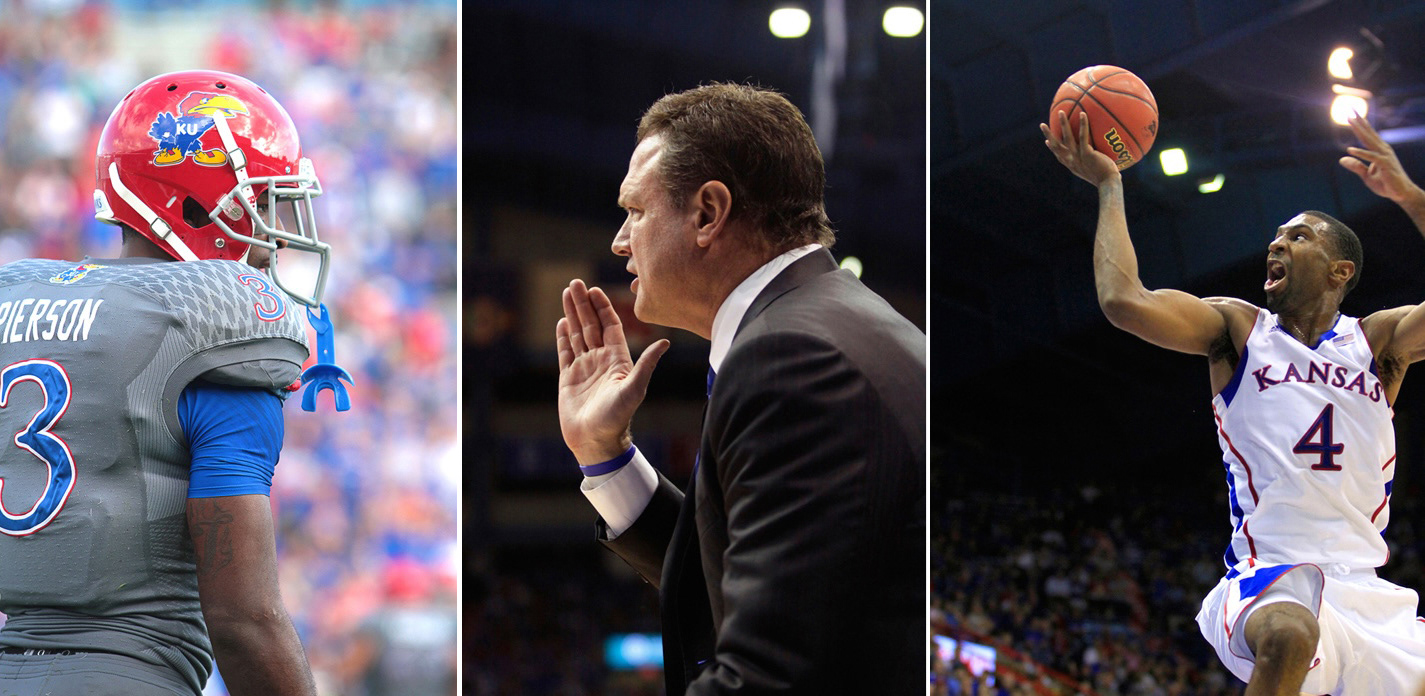
A challenge in sports photography was the level of visual noise at every angle that, at first glance, was out of your control. Players, fans, stadium, equipment, refs, messy benches, and everything in between.
While it's all part of the story, finding the clean compositions only my lens could see was a honed skill. The best images highlighted an irreplaceable millisecond in time, and drowned out the noise as if they were staged.